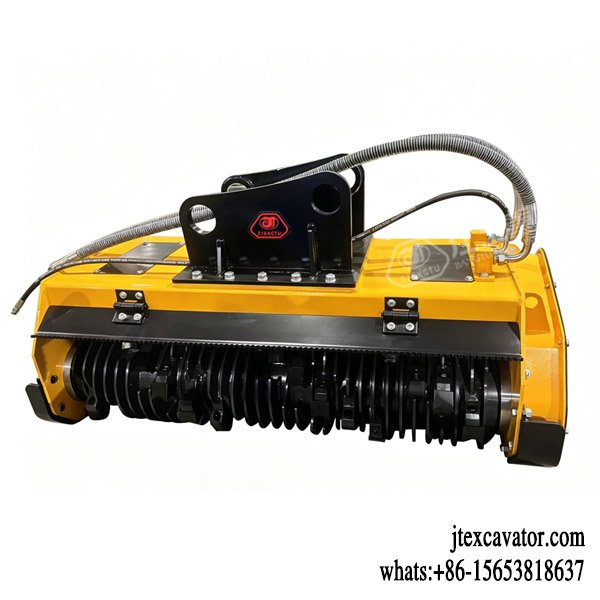
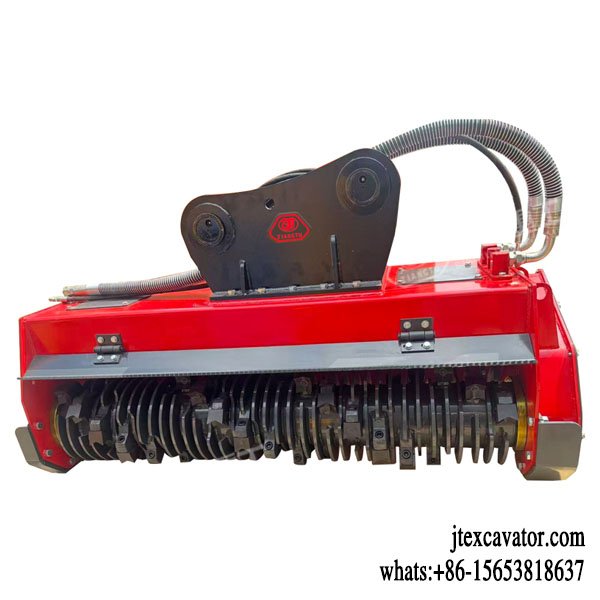
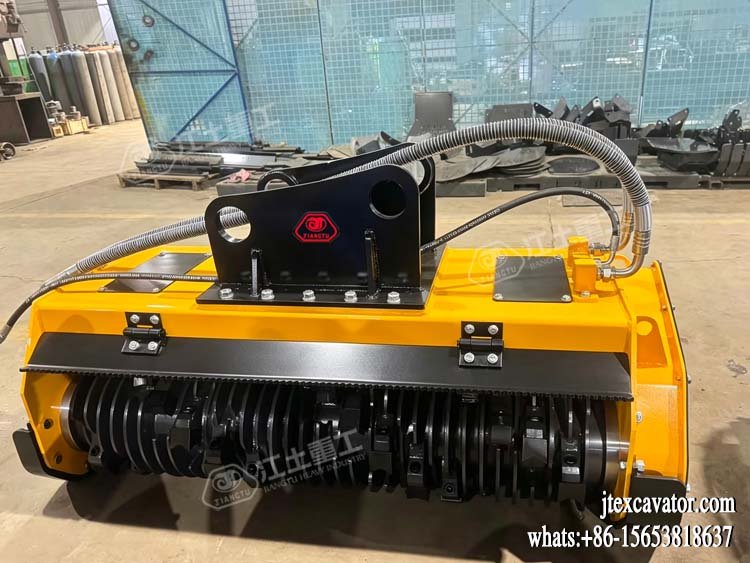
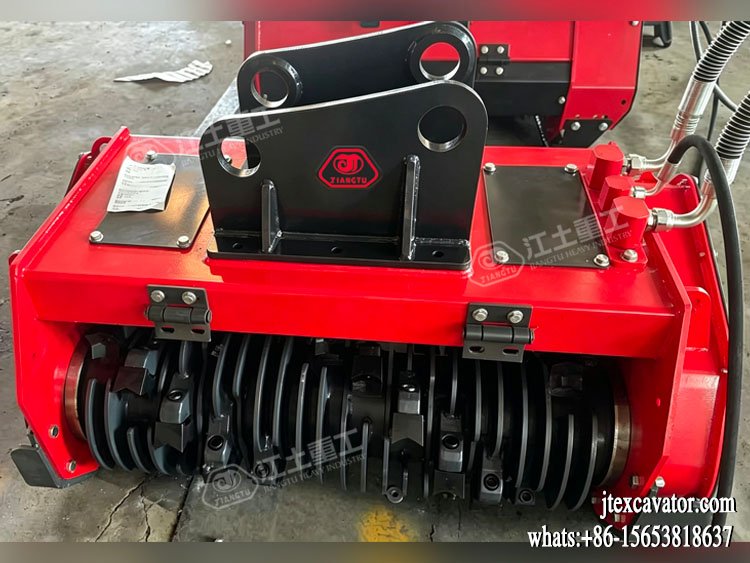
Excavator Mulcher
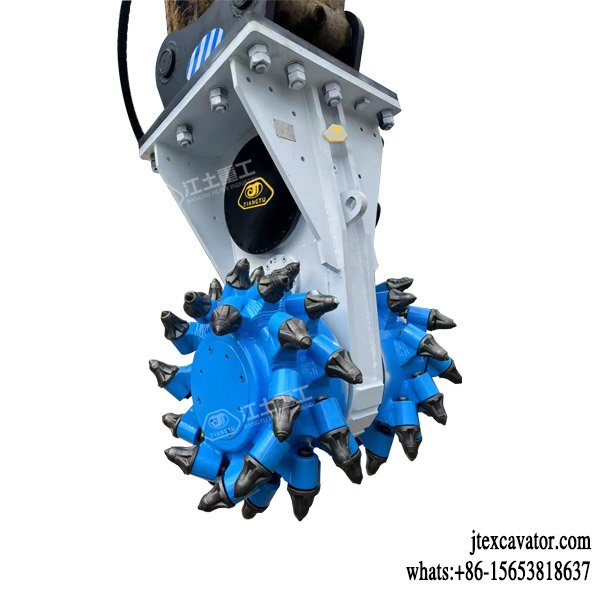
An excavator mulcher is a hydraulic attachment designed to mount on an excavator for efficiently cutting, shredding, and mulching trees, brush, shrubs, and other vegetation. Powered by the excavator’s hydraulic system, the mulching head uses a high-speed rotating drum equipped with fixed or swinging teeth to reduce vegetation into fine mulch in a single pass.
Compared with traditional land clearing methods, an excavator mulcher offers faster operation, lower labor costs, and minimal ground disturbance. It enable operators to clear overgrown land, maintain forest, manage utility rights-of-way, and prepare construction sites without the need to collect or dispose of large amounts of vegetation.
Main Advantages
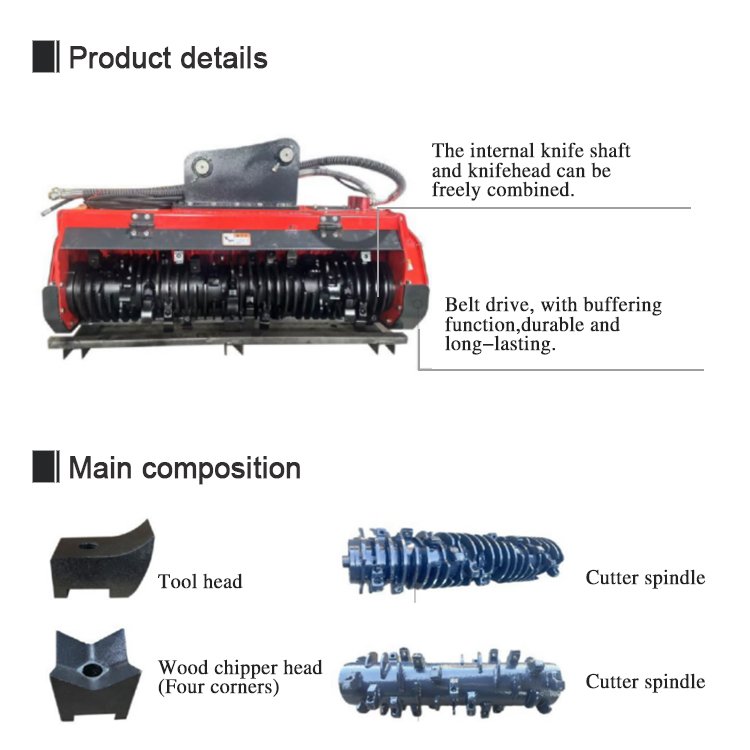
- Belt drive, with buffering function, durable and long-lasting.
- The internal knife shaft and knifehead can be freely combined.
- High-Efficiency Mulching for Diverse Applications.
Specification – Excavator Mulcher
| Model | Unit | JTM700 | JTM800 | JTM1000 | JTM1400 | JTM1600 |
|---|---|---|---|---|---|---|
| Applicable to excavators | Tons | 2-4 | 3-5 | 6-8 | 12-15 | 20+ |
| Length | mm | 1030 | 1030 | 1300 | 1660 | 1860 |
| Width | mm | 780 | 780 | 670 | 780 | 800 |
| Height | mm | 850 | 850 | 840 | 860 | 1020 |
| Cut pair | mm | 700 | 800 | 1000 | 1400 | 1600 |
| Weight | Kg | 320 | 380 | 480 | 645 | 720 |
| Number of blades | Group | 16 | 18 | 24 | 34 | 38 |
| Motor flow | L/min | 36 | 36 | 69 | 96 | 240 |
| Transmission mode | Direct Connection | Belt | Belt | Belt | Belt | |
| Revolutions per minute | r/min | 2500-3000 | 2500-3000 | 2500-3000 | 2500-3000 | 2500-3000 |
Applications of Excavator Mulcher
Available for mini, medium, and large excavators, excavator mulcher are widely used in forestry management, land clearing, agriculture, road maintenance, pipeline projects, and wildfire prevention, making them one of the most versatile vegetation management attachment for modern excavators.
Key Features of JIANGTU Excavator Mulcher :
- Belt drive, with buffering function, durable and long-lasting.
- The internal knife shaft and knifehead can be freely combined.
- High-Efficiency Mulching for Diverse Applications.
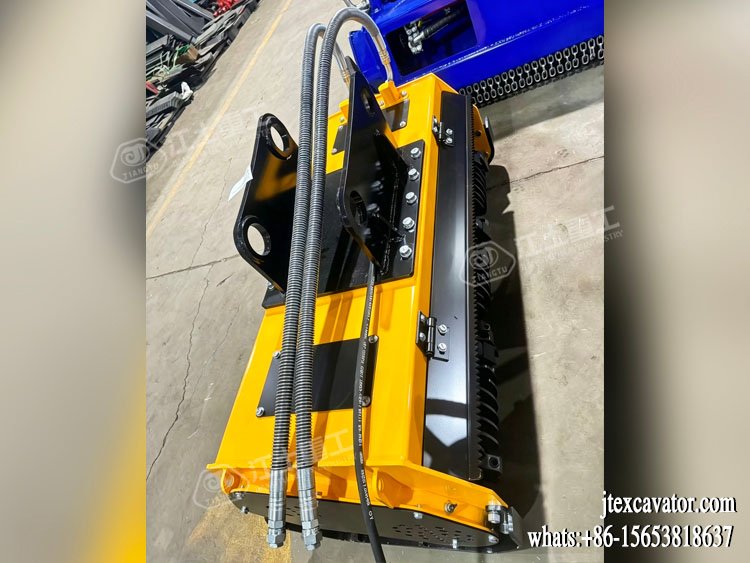
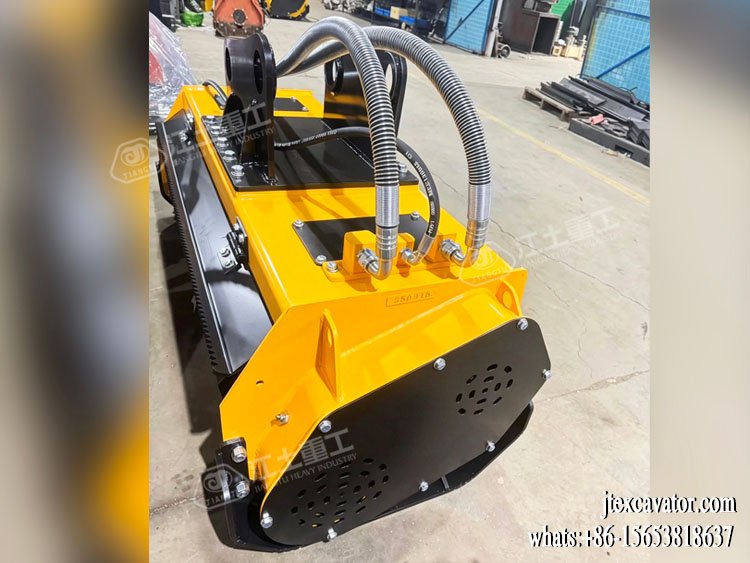
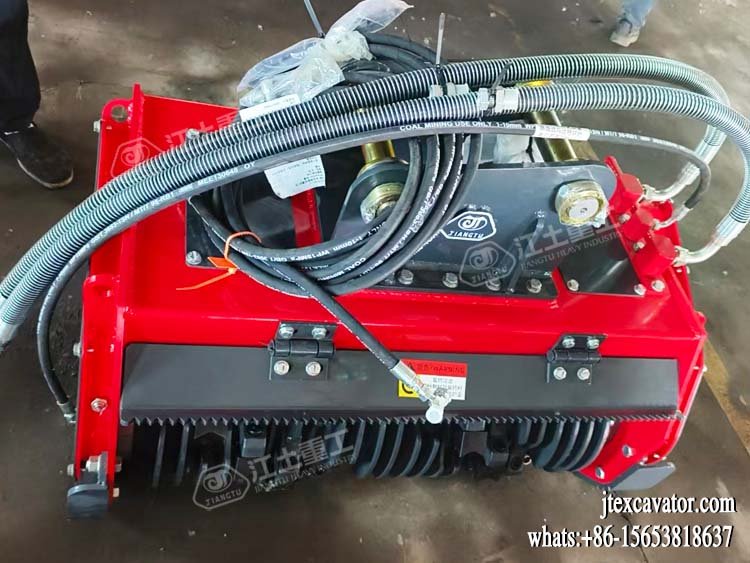
Product Images
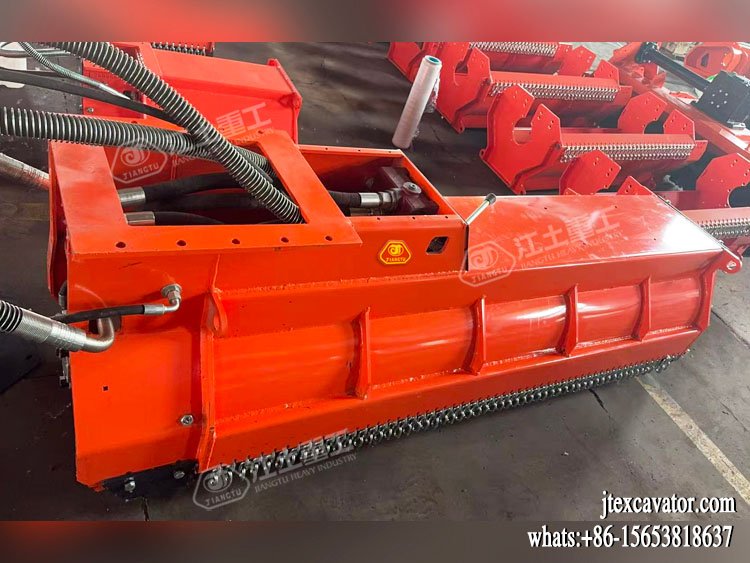
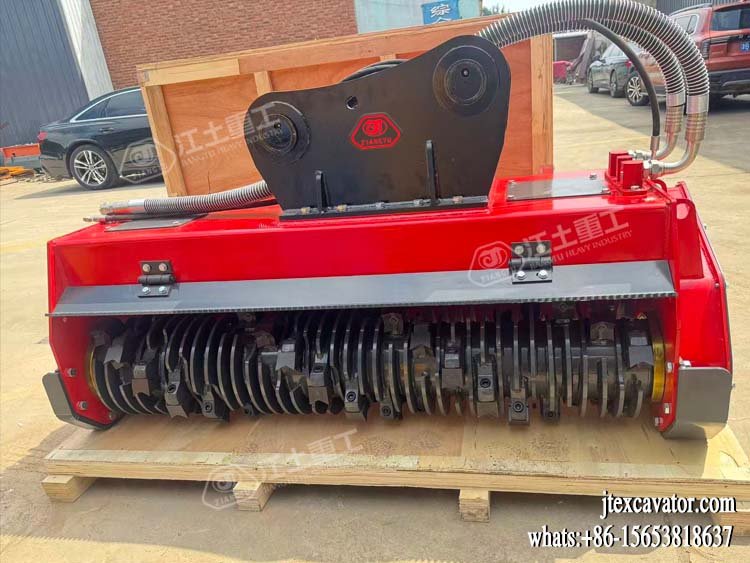
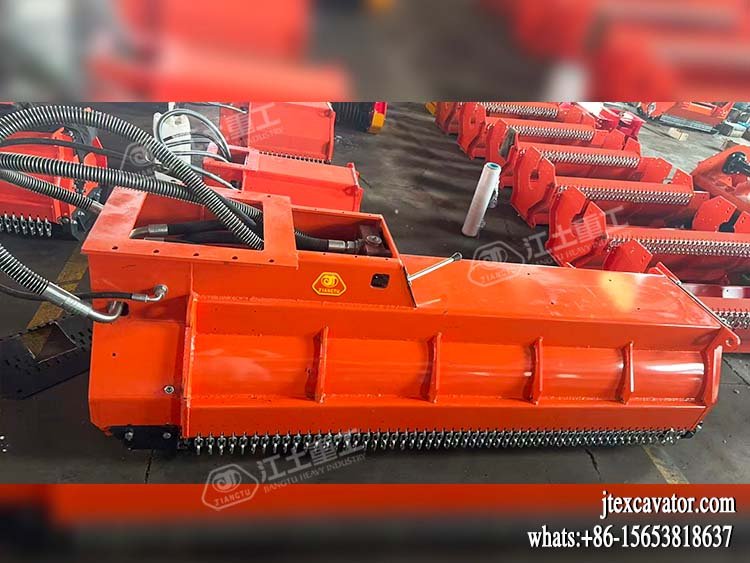
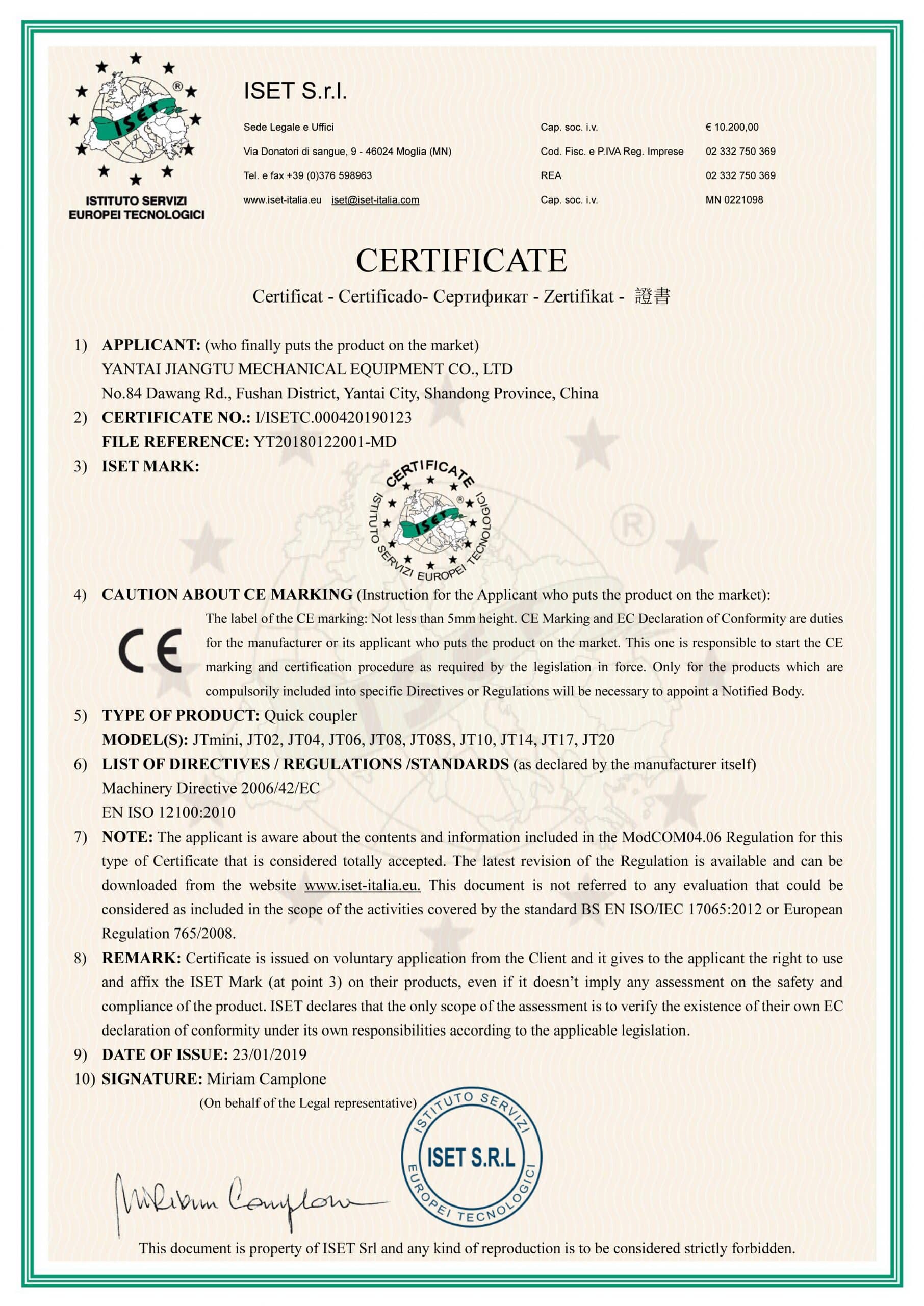
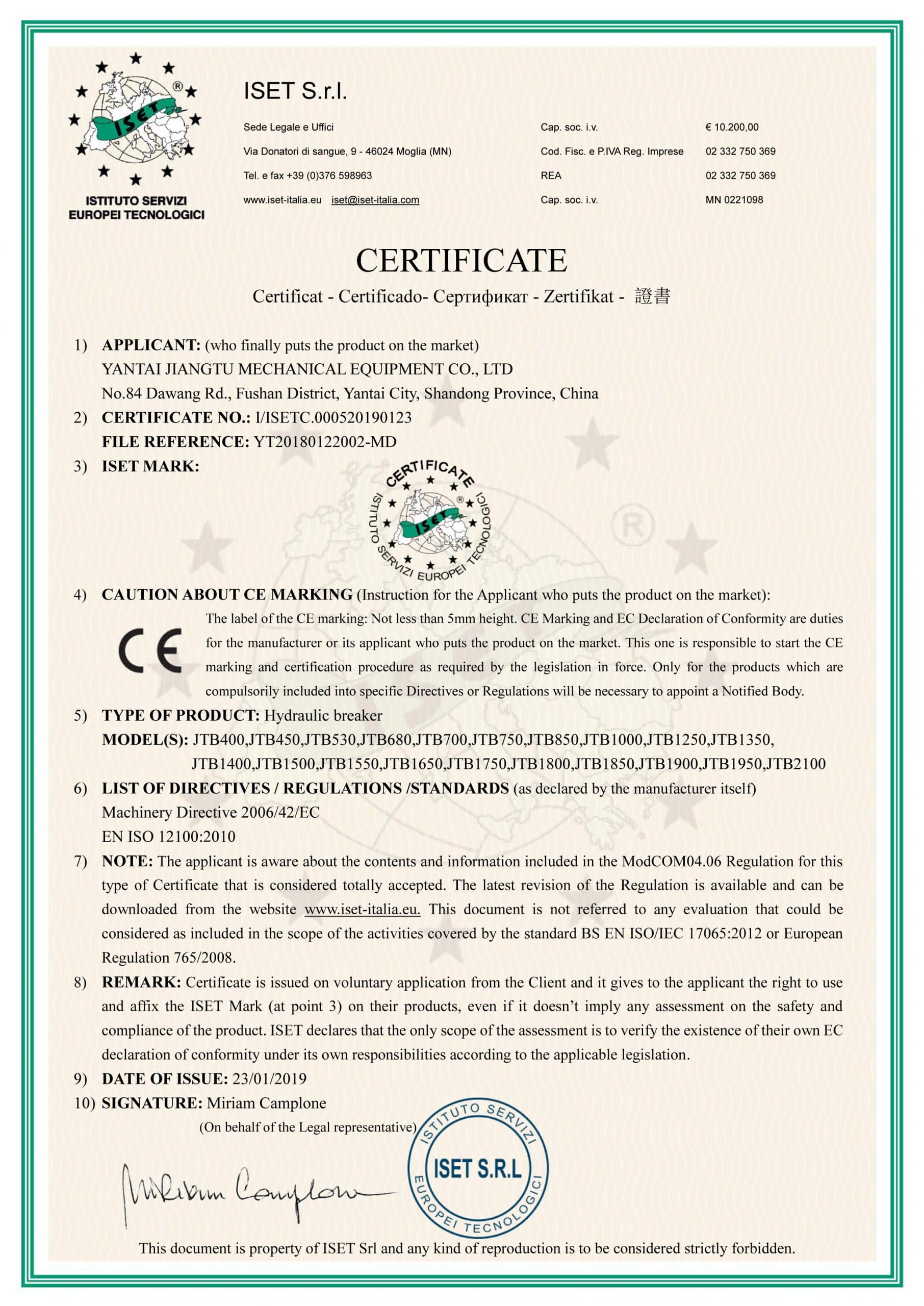
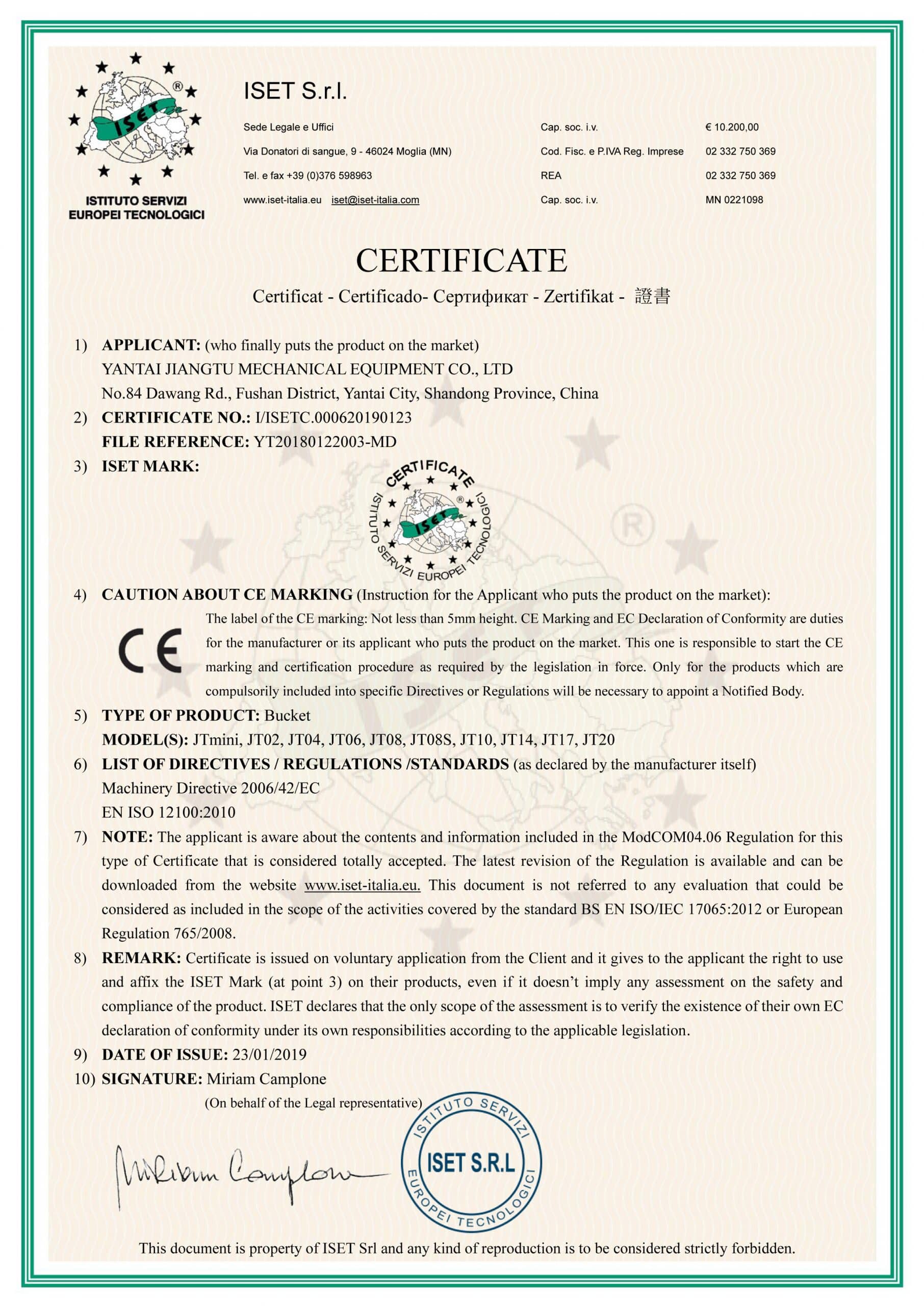
Certificate
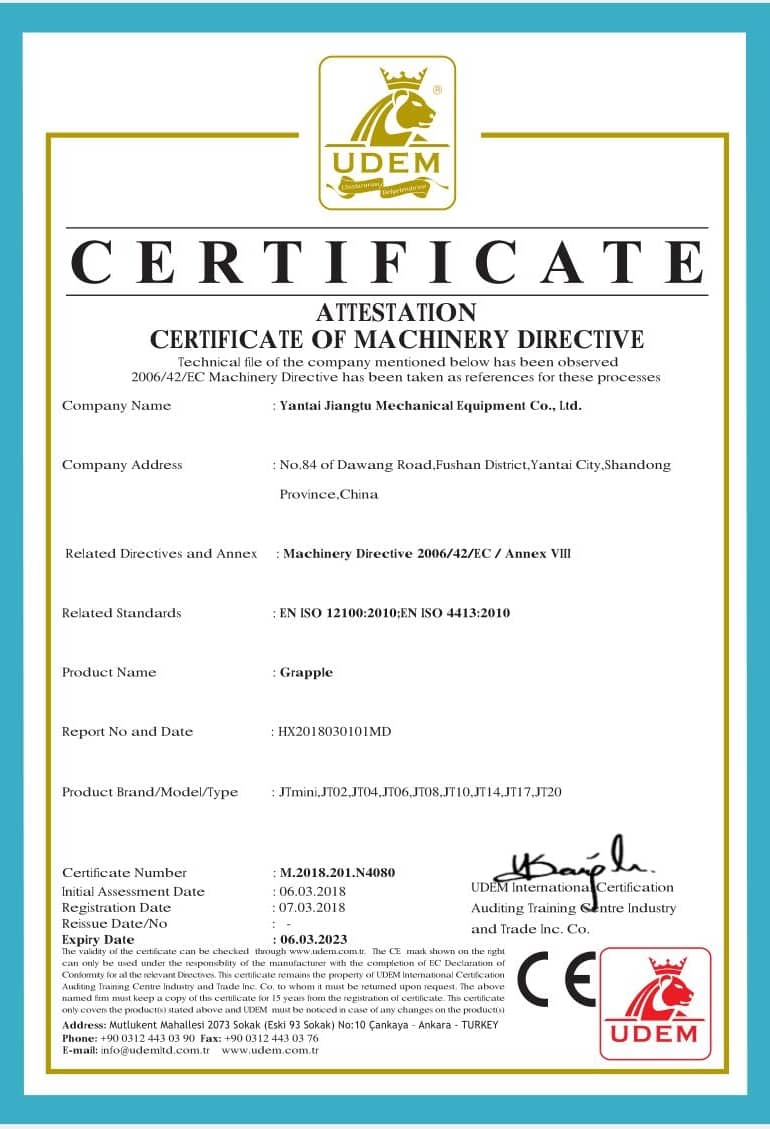
Through 10 years of digging in research and development, JiangTu Company achieved more than 20 patents such as invent/design patent successively and received CE, ISO, and SGS certificates from 2012 to 2021 and now started a new chapter to explore the global market.

Frequently Asked Questions
1. What size excavator do I need for a mulcher attachment?
The required excavator size depends on the mulcher model, hydraulic capacity, and working conditions.
Typical applications include:
- 3–8 ton excavator: Compact mulchers for grass, brush, and light vegetation
- 8–20 ton excavators: Medium mulchers for general land clearing and forestry work
- 20+ ton excavators: Heavy-duty mulchers for trees, dense vegetation, and demanding applications
Before selecting a mulcher, it is important to check the excavator’s hydraulic flow, pressure, and lifting capacity.
2. Can an excavator mulcher cut trees?
Yes. A properly configured excavator mulcher can cut and process small trees, shrubs, and woody vegetation.
The cutting capacity depends on:
- Mulcher model
- Rotor design
- Cutting teeth type
- Excavator hydraulic power
- Tree diameter and material hardness
Heavy-duty forestry mulchers equipped with carbide teeth are designed for demanding vegetation clearing applications.
3. What is the difference between an excavator mulcher and a forestry mower?
The main difference is their working purpose.
An excavator mulcher is designed for heavy-duty vegetation removal, including trees, thick brush, and woody material. It processes vegetation into fine mulch.
A forestry mower is mainly used for cutting grass, weeds, and lighter vegetation over large area.
Choose an excavator mulcher for land clearing and forestry applications, while a forestry mower is better suited for routine vegetation maintenance.
4. How often should excavator mulcher teeth be replaced?
The replacement frequency depends on:
- Vegetation type
- Working hours
- Soil and rock conditions
- Operator habits
Regular inspection of cutting teeth is recommended. Replacing worn teeth on time helps maintain cutting efficiency, reduce hydraulic load, and prevent unnecessary wear on the rotor.
5. Can an excavator mulcher be installed on any excavator?
Not every excavator is suitable for every mulcher model.
Before installation, you should confirm:
- Excavator weight
- Hydraulic flow
- Hydraulic pressure
- Attachment mounting dimensions
- Lifting capacity
A properly matched excavator and mulcher combination ensures maximum efficiency and safe operation.
6. How do I maintain an excavator mulcher?
Regular maintenance helps extend service life and maintain performance.
Recommended maintenance includes:
- Checking and replacing worn cutting teeth
- Inspecting belts and tension systems
- Lubricating bearings
- Cleaning vegetation buildup
- Checking hydraulic connection
- Inspecting rotor balance
Proper maintenance ensures reliable operation and reduces downtime.